 Image 1 of 1
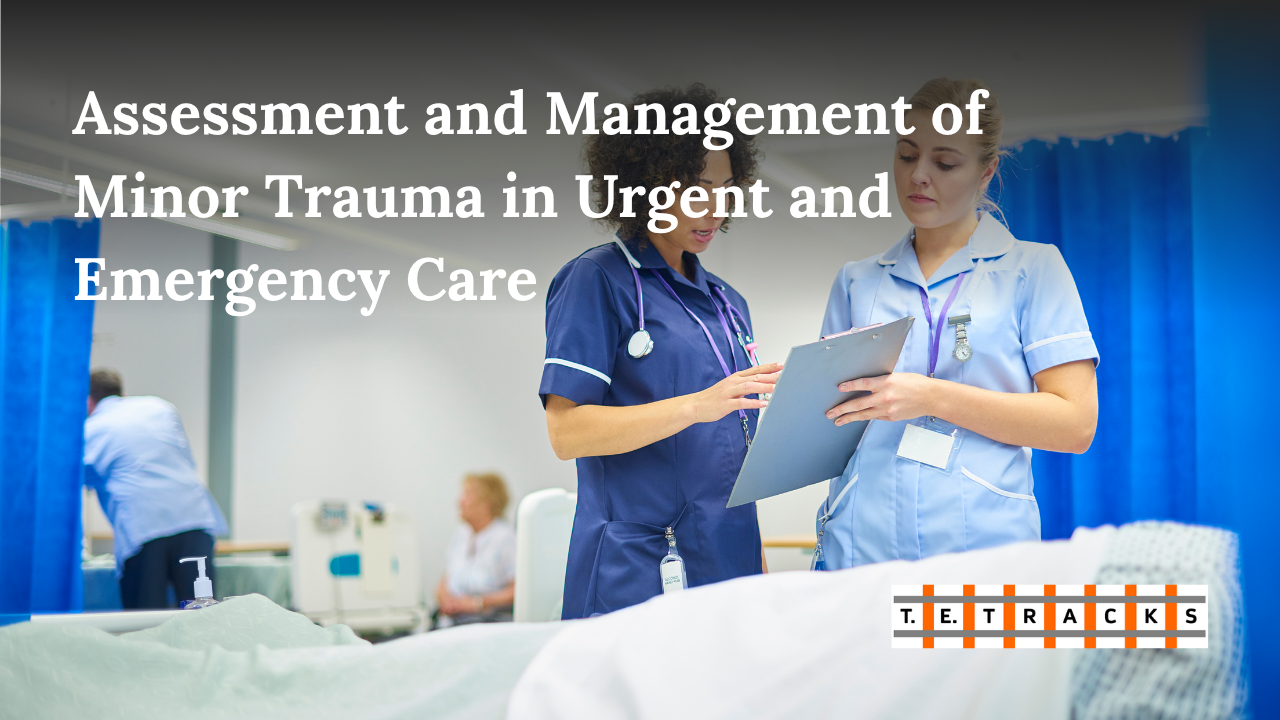
This focused, clinically grounded one-day course is designed for AHPs and nurses working in urgent, emergency, same-day emergency care, and frailty pathways who want to strengthen their assessment, clinical reasoning, and management of minor trauma presentations within their professional scope.
Minor trauma presentations are rarely “minor” in urgent and emergency care. Beneath seemingly simple injuries may sit frailty, functional decline, social concerns, or underlying medical causes that increase the risk of deterioration, admission, or missed injury. This course supports clinicians to move beyond isolated injury assessment and develop a more structured, person-centred, and system-aware approach to care.
The course focuses on practical, repeatable clinical assessment skills and decision-making processes that can be applied across common trauma presentations. Participants will work through structured assessment and management cycles covering upper limb, lower limb, and central or non-obvious trauma presentations, helping clinicians identify subtle injuries, manage risks and make safe discharge decisions in time-pressured environments.
Practical Learning
The course blends:
Demonstration and hands-on assessment practice
Case-based learning and clinical reasoning activities
Scenario-based discussion and decision-making
Functional assessment and discharge planning considerations
Collaborative MDT-focused learning
Participants will explore how to:
Conduct structured secondary and silver trauma assessments
Recognise commonly missed fractures and soft tissue injuries
Differentiate trauma from underlying medical or cognitive causes
Integrate frailty, falls, functional decline and pain into assessment and management
Support flow through safe discharge, escalation, rehabilitation, and pathway referral decisions
Apply evidence-informed management strategies including immobilisation, analgesia, rehabilitation, self-management advice and onward referrals.
The course places strong emphasis on the use of enhanced functional assessment, clinical reasoning and risk management, ensuring learners leave with skills they can apply immediately within urgent and emergency care settings.
Aim and Objectives
To provide clinicians with enhanced knowledge, practical assessment skills, and clinical reasoning approaches to safely assess, manage, and plan care for patients presenting with minor trauma in urgent and emergency care settings, integrating functional, cognitive, medical, psychosocial, and environmental factors to support safe decision-making, recovery, and system flow.
By the end of the course, learners will be able to:
Undertake structured, holistic, and risk-informed assessment of minor trauma presentations, incorporating physical, cognitive, social, and environmental factors.
Apply enhanced clinical reasoning to identify injury patterns, commonly missed injuries, and underlying causes contributing to presentation.
Use clinical findings, evidence-informed tools, and professional judgement to support decision-making in complex and time-pressured situations.
Formulate safe, person-centred management plans for common minor injuries, integrating pain management, functional rehabilitation, and risk management.
Recognise frailty, functional decline, delirium, and polypharmacy as important contributors to trauma presentation and recovery.
Integrate self-management support, health promotion, falls prevention, and rehabilitation principles into care planning.
Make safe discharge, escalation, and referral decisions, including use of community pathways, rehabilitation services, and digital or remote support options.
Communicate effectively with patients, carers, and the wider MDT to support shared decision-making and coordinated care.
Facilitate learning in clinical practice through clinical leadership and collaborative working to improve patient outcomes, reduce unwarranted variation, and support flow across urgent and emergency care pathways.
Total CPD Time
Pre-course learning: 1–2 hours
Face-to-face course: 1 day
Post-course consolidation and practice activities: 1–2 hours
Dates and Locations:
West Midlands — Tuesday 8 December 2026 West Midlands House, Gipsy Lane, Willenhall WV13 2HA
Shrewsbury — Wednesday 20 January 2027 The Cut Conference Centre, Shropshire Wildlife Trust
Sheffield — Thursday 11 February 2027 Workstation, Sheffield
West London — Monday 15 March 2027 XandWhy Chiswick Works, London W4 5LX
This focused, clinically grounded one-day course is designed for AHPs and nurses working in urgent, emergency, same-day emergency care, and frailty pathways who want to strengthen their assessment, clinical reasoning, and management of minor trauma presentations within their professional scope.
Minor trauma presentations are rarely “minor” in urgent and emergency care. Beneath seemingly simple injuries may sit frailty, functional decline, social concerns, or underlying medical causes that increase the risk of deterioration, admission, or missed injury. This course supports clinicians to move beyond isolated injury assessment and develop a more structured, person-centred, and system-aware approach to care.
The course focuses on practical, repeatable clinical assessment skills and decision-making processes that can be applied across common trauma presentations. Participants will work through structured assessment and management cycles covering upper limb, lower limb, and central or non-obvious trauma presentations, helping clinicians identify subtle injuries, manage risks and make safe discharge decisions in time-pressured environments.
Practical Learning
The course blends:
Demonstration and hands-on assessment practice
Case-based learning and clinical reasoning activities
Scenario-based discussion and decision-making
Functional assessment and discharge planning considerations
Collaborative MDT-focused learning
Participants will explore how to:
Conduct structured secondary and silver trauma assessments
Recognise commonly missed fractures and soft tissue injuries
Differentiate trauma from underlying medical or cognitive causes
Integrate frailty, falls, functional decline and pain into assessment and management
Support flow through safe discharge, escalation, rehabilitation, and pathway referral decisions
Apply evidence-informed management strategies including immobilisation, analgesia, rehabilitation, self-management advice and onward referrals.
The course places strong emphasis on the use of enhanced functional assessment, clinical reasoning and risk management, ensuring learners leave with skills they can apply immediately within urgent and emergency care settings.
Aim and Objectives
To provide clinicians with enhanced knowledge, practical assessment skills, and clinical reasoning approaches to safely assess, manage, and plan care for patients presenting with minor trauma in urgent and emergency care settings, integrating functional, cognitive, medical, psychosocial, and environmental factors to support safe decision-making, recovery, and system flow.
By the end of the course, learners will be able to:
Undertake structured, holistic, and risk-informed assessment of minor trauma presentations, incorporating physical, cognitive, social, and environmental factors.
Apply enhanced clinical reasoning to identify injury patterns, commonly missed injuries, and underlying causes contributing to presentation.
Use clinical findings, evidence-informed tools, and professional judgement to support decision-making in complex and time-pressured situations.
Formulate safe, person-centred management plans for common minor injuries, integrating pain management, functional rehabilitation, and risk management.
Recognise frailty, functional decline, delirium, and polypharmacy as important contributors to trauma presentation and recovery.
Integrate self-management support, health promotion, falls prevention, and rehabilitation principles into care planning.
Make safe discharge, escalation, and referral decisions, including use of community pathways, rehabilitation services, and digital or remote support options.
Communicate effectively with patients, carers, and the wider MDT to support shared decision-making and coordinated care.
Facilitate learning in clinical practice through clinical leadership and collaborative working to improve patient outcomes, reduce unwarranted variation, and support flow across urgent and emergency care pathways.
Total CPD Time
Pre-course learning: 1–2 hours
Face-to-face course: 1 day
Post-course consolidation and practice activities: 1–2 hours
Dates and Locations:
West Midlands — Tuesday 8 December 2026 West Midlands House, Gipsy Lane, Willenhall WV13 2HA
Shrewsbury — Wednesday 20 January 2027 The Cut Conference Centre, Shropshire Wildlife Trust
Sheffield — Thursday 11 February 2027 Workstation, Sheffield
West London — Monday 15 March 2027 XandWhy Chiswick Works, London W4 5LX